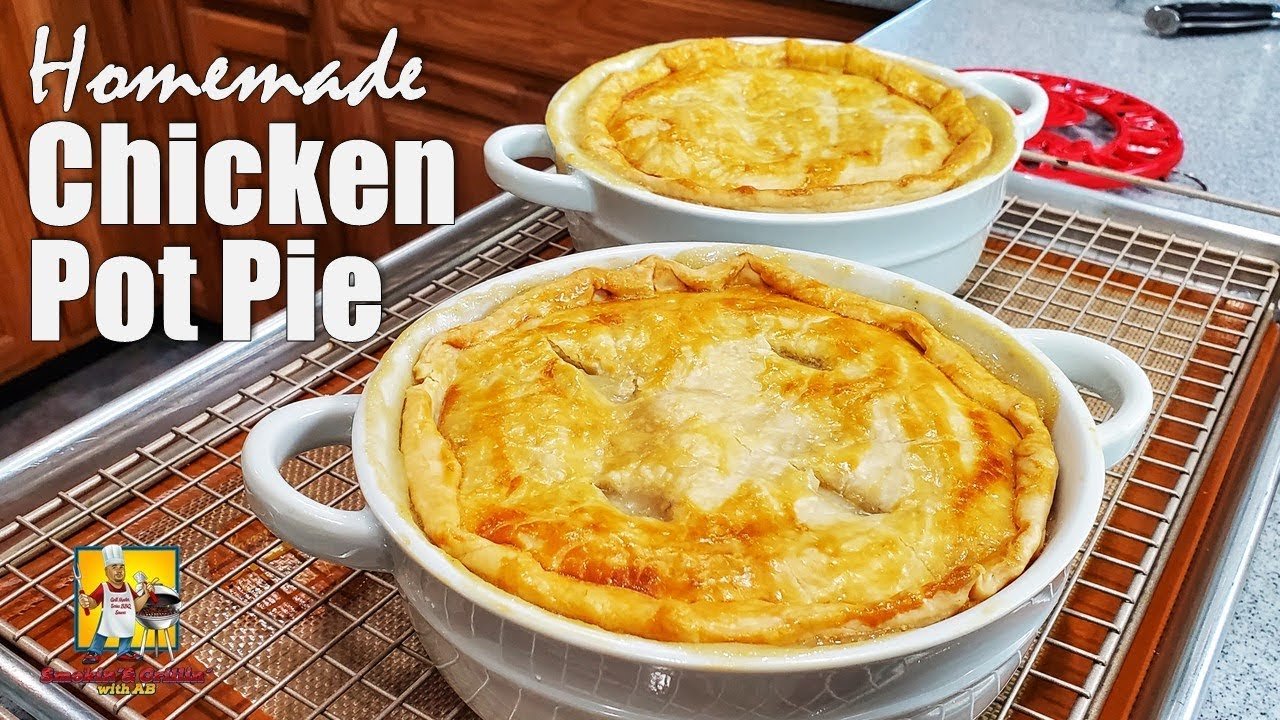
A Bite of History The Origins of Pot Pie
To fully appreciate why this dish is so beloved, it helps to understand where it came from. The idea of enclosing savory meats and vegetables in pastry is far from new. In fact, it’s one of the oldest cooking traditions on record.
- Ancient Roots: Historians trace early versions of meat pies back to the Romans, who baked various meats inside a crude flour-and-water shell. This “crust” wasn’t eaten; it was simply a cooking vessel to keep food moist.
- Medieval Europe: By the Middle Ages, pies became more refined, with edible crusts filled with spiced meats, game, and poultry. They were often served at feasts, both practical and decorative.
- British Influence: The British carried their love of savory pies to the New World. Recipes for meat pies, steak and kidney pies, and game pies became staples in English kitchens.
- The American Twist: In the United States, settlers adapted these traditions using local poultry, vegetables, and seasonings. Over time, the chicken pot pie emerged as a uniquely American comfort dish — especially popular in regions with abundant poultry farming.
By the 19th and 20th centuries, chicken pot pie had firmly established itself as everyday comfort food. Families passed recipes down generations, while restaurants elevated it with flaky puff pastry tops and rich gravies. Today, it remains one of the most universally adored homemade meals, bridging old-world tradition with modern creativity.
Why You’ll Love This Chicken Pot Pie
Sure, there are thousands of chicken pot pie recipes out there — but this one brings together the best ideas, techniques, and flavors from generations of cooks. Here’s why it deserves a permanent spot in your kitchen:
Section 2 Ingredient Deep Dive and Science of Flavor
One of the secrets to a perfect chicken pot pie lies in choosing the right ingredients and understanding how they work together. Every component — from the chicken to the crust — contributes to the final flavor, texture, and comfort factor. Let’s explore them in detail.
Chicken Choices Picking the Star Protein
Chicken is the heart of this dish, but the cut you choose will affect both flavor and texture.
Best Options for Pot Pie
- Rotisserie Chicken (Pre-Cooked): A lifesaver for busy nights. The meat is juicy, flavorful, and already cooked. Simply shred and fold into the sauce.
- Chicken Thighs (Boneless, Skinless): Richer flavor and more tender than breast meat. They stay juicy even after baking.
- Chicken Breasts: Leaner and lighter. Best if you want a slightly healthier version, though they can dry out if overcooked.
- Leftover Roast Chicken or Turkey: Perfect for post-holiday meals — Thanksgiving turkey pot pie is a classic variation.
Cooking Science Tip
Chicken breast has less fat and connective tissue, which makes it cook faster but also dry out easily. Thigh meat, on the other hand, contains more myoglobin and fat, making it juicier and more forgiving during baking.
Pro Tip: If cooking chicken specifically for pot pie, simmer it gently in broth with bay leaf, garlic, and onion. This keeps the meat tender and gives you a homemade stock to use in the sauce.
Vegetables & Seasonal Swaps
Vegetables provide sweetness, texture, and nutrition. The traditional trio is carrots, peas, and celery, but the recipe is highly adaptable.
Classic Veggies
- Carrots: Bring natural sweetness and color.
- Celery: Adds subtle bitterness and crunch.
- Peas: A pop of sweetness and bright green freshness.
Optional Add Ins
- Potatoes: Make the filling heartier and soak up flavor.
- Corn: Adds extra sweetness.
- Mushrooms: Earthy depth, almost meaty in flavor.
- Green Beans: For a slightly firmer bite.
Seasonal Variations
- Spring: Asparagus, leeks, and fresh herbs.
- Summer: Zucchini, corn, and cherry tomatoes.
- Fall: Butternut squash, parsnips, and mushrooms.
- Winter: Kale, Swiss chard, or root vegetables.
Pro Tip: Dice vegetables uniformly so they cook evenly and look visually appealing in the creamy sauce.
The Creamy Sauce Base The Roux & Beyond
The sauce is the soul of chicken pot pie — it transforms the dish from a pile of ingredients into a silky, luxurious filling.
How It Works
- Roux (Butter + Flour): This is the thickening base. Cooking flour in butter eliminates the raw taste and provides stability.
- Broth: Chicken broth adds depth and savory notes. Homemade is best, but a high-quality store-bought works well.
- Milk or Cream: Adds richness, creaminess, and smoothness. Whole milk gives balance, while heavy cream creates indulgence.
- Onions & Garlic: Build aromatic flavor at the foundation.
Science of Thickness
- For every 1 cup of liquid, you’ll need about 1 tablespoon of flour in the roux for medium-thick sauce.
- Too thin? Simmer longer to reduce.
- Too thick? Add a splash of warm broth or milk to adjust.
Pro Tip: Always whisk continuously when adding liquid to the roux. This prevents lumps and creates a perfectly smooth sauce.
Herbs Spices & Seasonings
What makes chicken pot pie taste like chicken pot pie? The herbs. Without them, the dish would be bland and flat.
Essential Seasonings
- Salt & Black Pepper: Basic seasoning, but crucial.
- Thyme: Earthy, woodsy, and perfectly complements chicken.
- Parsley: Adds freshness and brightness.
- Bay Leaf: Infuses subtle aromatic depth into broth.
Optional Flavor Boosters
- Sage or Rosemary: Stronger herbs for autumnal depth.
- Nutmeg: Just a pinch can enhance the creamy sauce.
- Paprika: Adds warmth and mild smokiness.
Pro Tip: Fresh herbs should be added toward the end of cooking to preserve their flavor, while dried herbs can simmer longer to release their oils.
Crust Options The Crown Jewel
The crust is what turns this dish into true comfort food. It’s the part everyone looks forward to cracking open with their fork.
Types of Crust
- Homemade Pie Crust:
- Flaky, buttery, and deeply rewarding.
- Best if you want control over ingredients (butter vs shortening).
- Requires chilling dough before rolling for max flakiness.
- Store-Bought Pie Dough:
- Convenient and reliable.
- Great for busy weeknights.
- Look for all-butter varieties for best flavor.
- Puff Pastry:
- Gives a light, airy, restaurant-style flair.
- Needs high oven heat to rise properly.
- Biscuit Topping:
- Rustic and hearty.
- Easier than rolling dough.
- Pairs especially well with a skillet version of pot pie.
Browning Science
Egg wash (beaten egg + water or milk) brushed on the crust before baking ensures a golden, shiny finish. For a rustic matte look, brush with cream or melted butter instead.
Pro Tip: To avoid a soggy bottom crust, bake the pie on the lowest oven rack for the first 15 minutes, or use a pizza stone preheated in the oven.
Table of Contents:
Conclusion: Why Chicken Pot Pie Will Always Be a Classic
Introduction: Why Chicken Pot Pie is the Dish That Feels Like Home
A Bite of History: The Origins of Pot Pie
Why You’ll Love This Chicken Pot Pie
Ingredient Deep-Dive: Science and Substitutions
Chicken Choices
Vegetables & Seasonal Swaps
Creamy Sauce Base (The Roux)
Herbs, Spices & Seasonings
Crust Options: Homemade vs Store-Bought
Step-by-Step Recipe Instructions
Preparing the Ingredients
Cooking Vegetables & Aromatics
Building the Creamy Sauce
Adding Chicken & Seasonings
Assembling the Pot Pie
Baking to Golden Perfection
Pro Tips & Troubleshooting
Variations & Substitutions
Vegetarian & Vegan Options
Gluten-Free & Dairy-Free Adaptations
Creative Flavor Twists (Global Inspirations)
Make-Ahead, Freezing & Storage Guide
Serving Suggestions & Pairings
Nutrition & FAQs
Community Tips & Reader Reviews
Conclusion:
Chicken pot pie is more than just a meal — it’s a tradition, a memory, and pure comfort in every bite. With the right crust, creamy sauce, and flavorful fillings, you can turn simple ingredients into something extraordinary. Whether for family dinners or special gatherings, this classic will always bring warmth to the table.